


LEATHER BAGS VS VEGAN LEATHER BAGS: SUSTAINABILITY, DURABILITY AND REAL ENVIRONMENTAL IMPACT
The conversation around leather bags versus vegan leather bags has become one of the most debated topics in modern fashion. It is no longer only about ethics or aesthetics. It is about sustainability, durability and the real environmental impact of what we choose to carry every day.

WHAT VEGAN LEATHER ACTUALLY IS MADE FROM
Vegan leather is a broad term used to describe materials designed to imitate leather without using animal products.
In most cases, it is made from polyurethane or PVC, both of which are plastic based materials derived from fossil fuels. While they avoid animal sourcing, they introduce a different environmental issue, particularly related to long term degradation and microplastic pollution as the material breaks down.
Some newer plant based alternatives exist, but they are still limited in availability and often rely on blended structures that combine natural fibres with synthetic binders, which affects their end-of-life sustainability.

THE REALITY OF LEATHER AND ITS ROLE IN THE MEAT INDUSTRY
Leather is often misunderstood in sustainability discussions.
In reality, leather is a byproduct of the meat industry. Hides come from animals already raised for food consumption, meaning leather production makes use of materials that would otherwise be discarded as waste. This is an important part of its environmental context.
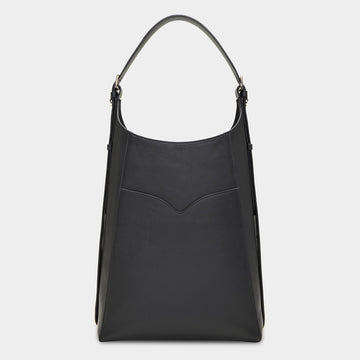
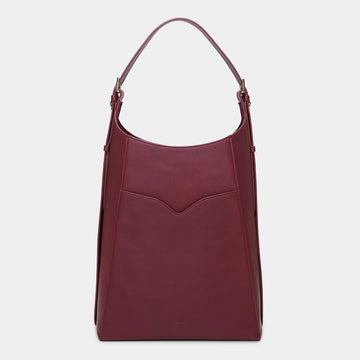
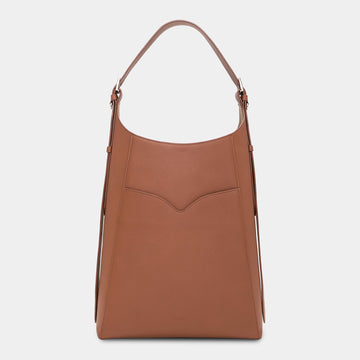
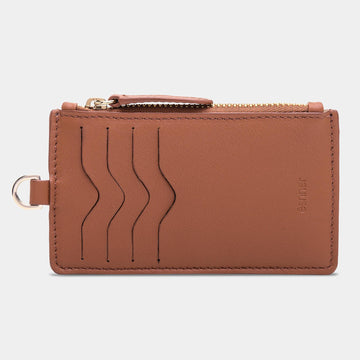
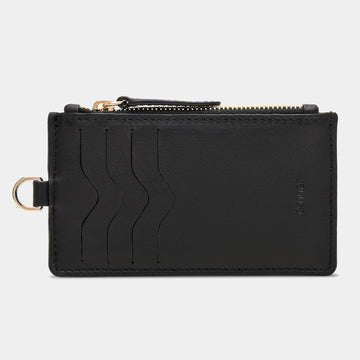
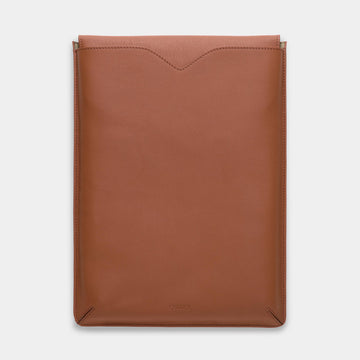
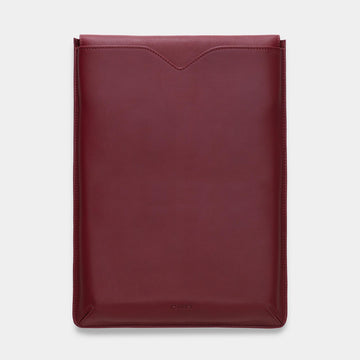
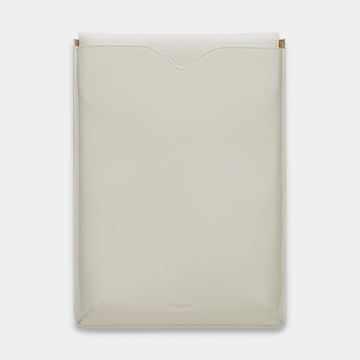
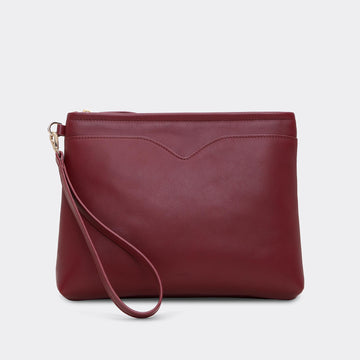
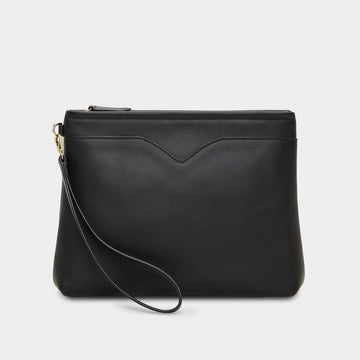
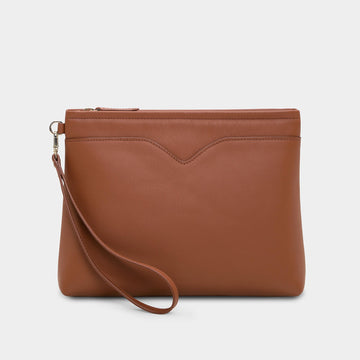
At Esnner, we use deadstock leather, which is leftover material that already exists within the supply chain. This means no new tanning process is required for our materials, and no additional environmental load is created through fresh production. Instead, existing leather is rescued and given a new life.
This makes deadstock leather one of the most efficient and responsible material choices available in the leather category today.

WHY DEADSTOCK LEATHER IS THE MORE SUSTAINABLE OPTION
When comparing real deadstock leather to vegan leather, the difference becomes clear in both production and lifespan.
Deadstock leather avoids new manufacturing impact entirely. It does not require additional animal farming, and it does not require new tanning processes. It uses material that has already been produced, significantly reducing waste.
At the same time, it retains the natural durability of leather. A well-made leather bag can last for many years, often improving with age through patina rather than deteriorating.
Vegan leather, by contrast, is typically plastic based. Even when it avoids animal materials, it still relies on fossil fuel derived inputs and often has a shorter usable lifespan due to wear such as cracking or surface breakdown.
From a sustainability perspective, combining deadstock sourcing with long-term durability creates a far lower overall environmental impact.
In practical terms, deadstock leather reduces waste at the source, avoids unnecessary new production, and extends the life of existing materials, making it a more resource-efficient solution overall.
SUSTAINABILITY COMES DOWN TO WHAT WE ACTUALLY USE
When comparing leather bags and vegan leather bags, the conversation is not simply about categories but about real-world impact.
Vegan leather focuses on avoiding animal products but often relies on synthetic materials with limited longevity.
Deadstock leather offers a more responsible alternative. It uses existing materials already within the supply chain, avoids new production processes, reduces waste, and benefits from long-term durability that significantly lowers replacement cycles.
In modern sustainability terms, the most efficient material is not the one that sounds the most ethical at first glance, but the one that reduces overall consumption the most over time. In that context, deadstock leather stands out as the more sustainable and practical choice.

